Growing Fresh Herbs Indoors: A Beginner's Guide
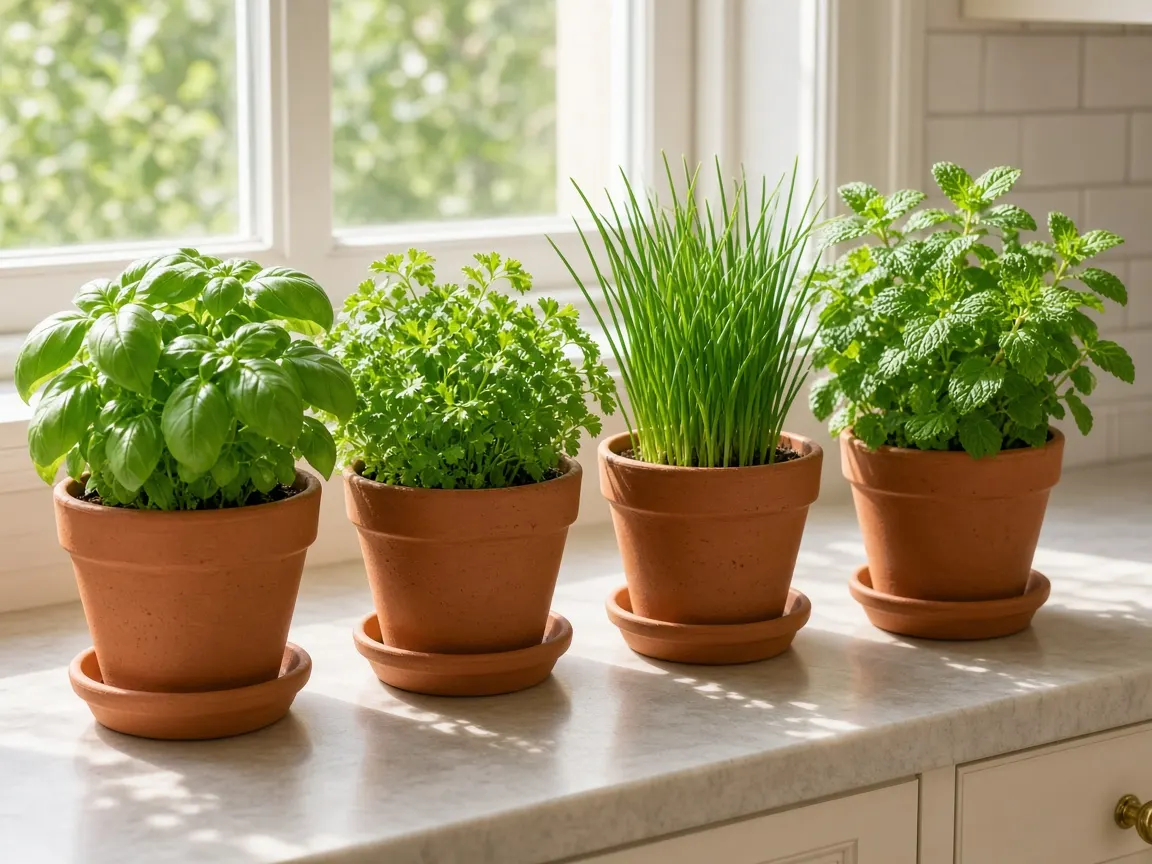
A few pots of herbs on a windowsill can supply fresh flavor all year. The main challenge indoors is light: most culinary herbs come from sunny climates. Get light right, use well-drained containers and avoid overwatering, and indoor herbs are very manageable.
Key takeaways
- Most herbs want a very bright spot; Extension sources suggest at least about 5 to 6 hours of direct sun, or grow lights.
- In winter, supplemental lighting for roughly 14 to 16 hours a day is often needed.
- Use pots with drainage holes and a soilless potting mix, not garden soil.
- Overwatering is the most common cause of failure.
Best herbs for growing indoors
- Easier: chives, parsley, mint, oregano, thyme, basil (needs warmth and strong light).
- More challenging: rosemary, sage, bay and lavender, which need intense light and dislike wet soil.
- Short-lived: cilantro and dill bolt quickly; sow small amounts every few weeks.
Grow mint in its own pot; it spreads aggressively. If you have cats or dogs, check whether a herb is safe for pets before bringing it indoors.
Light
A south-facing window is usually brightest in the continental US, followed by west and east. North windows rarely provide enough light for herbs. Turn pots every few days so they do not lean toward the glass.
If plants become tall, pale and stretched, they need more light. Inexpensive LED grow lights work well. University of Maryland Extension suggests lights running about 14 to 16 hours a day in winter when used to supplement window light; N.C. Cooperative Extension notes plants may need 8 to 10 hours of artificial light if it is their only source. Keep lights fairly close to the foliage according to the manufacturer's guidance, and use a timer for consistency.
Containers and potting mix
- Every pot needs a drainage hole. Decorative pots without holes can hold a plastic nursery pot inside.
- Terracotta dries out faster than plastic, which suits herbs that prefer drier soil such as thyme and rosemary.
- Use a quality soilless potting mix. University of Maryland Extension suggests a blend of two parts potting mix to one part perlite for extra drainage.
- Pots that are much larger than the root ball stay wet too long; step up one size at a time.
Watering
Check the mix with your finger. Water thoroughly when the top inch or so is dry, let excess drain away, and empty the saucer. Mediterranean herbs such as thyme, oregano and rosemary prefer to dry out more between waterings; basil and parsley like more even moisture.
Temperature and humidity
Typical indoor temperatures suit most herbs. Keep pots away from cold drafts, radiators and heating vents. Winter air can be dry; grouping plants or setting pots on a tray of pebbles with water below the pot base raises humidity slightly.
Feeding
Herbs need little fertilizer. Use a balanced liquid fertilizer at half or quarter strength occasionally during active growth, and less in winter when growth slows. Overfeeding can produce soft growth with less flavor.
Harvesting
- Pinch basil just above a pair of leaves to encourage bushiness, and remove flower buds.
- Cut chives and parsley from the outside, leaving the center to keep growing.
- Never remove more than about a third of a plant at one time.
Starting from seed or cuttings
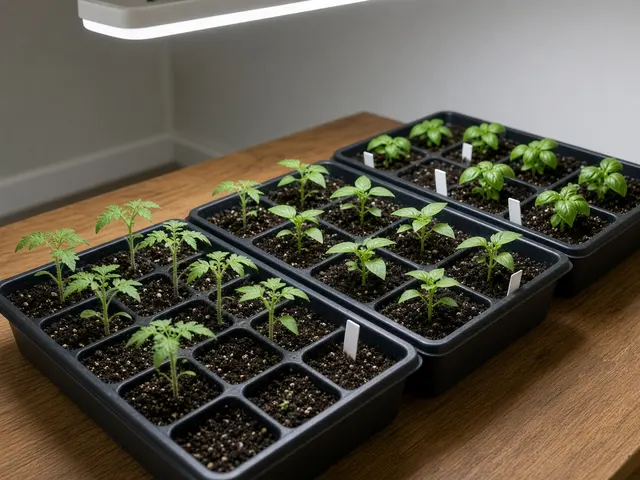
Basil, parsley, chives and cilantro start easily from seed. Rosemary, mint, oregano and thyme are often quicker from purchased plants or cuttings. See starting seeds indoors for the basics of germination.
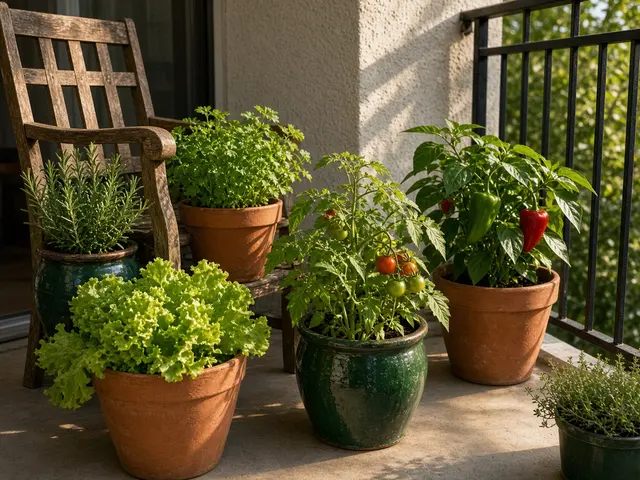
Moving herbs outside for summer? Acclimate them gradually, as described in hardening off seedlings. For outdoor pots, see container gardening for small spaces.
Sources and further reading
- Indoor Herb Gardening - University of Vermont Extension
- Growing Herbs in Containers and Indoors - University of Maryland Extension
- What Growing Conditions Are Best for Indoor Herbs? - Iowa State University Extension
Gardening conditions vary by location. For recommendations specific to your area, contact your state's land-grant university Cooperative Extension office. Read our editorial policy.