Using Mulch in Vegetable Gardens
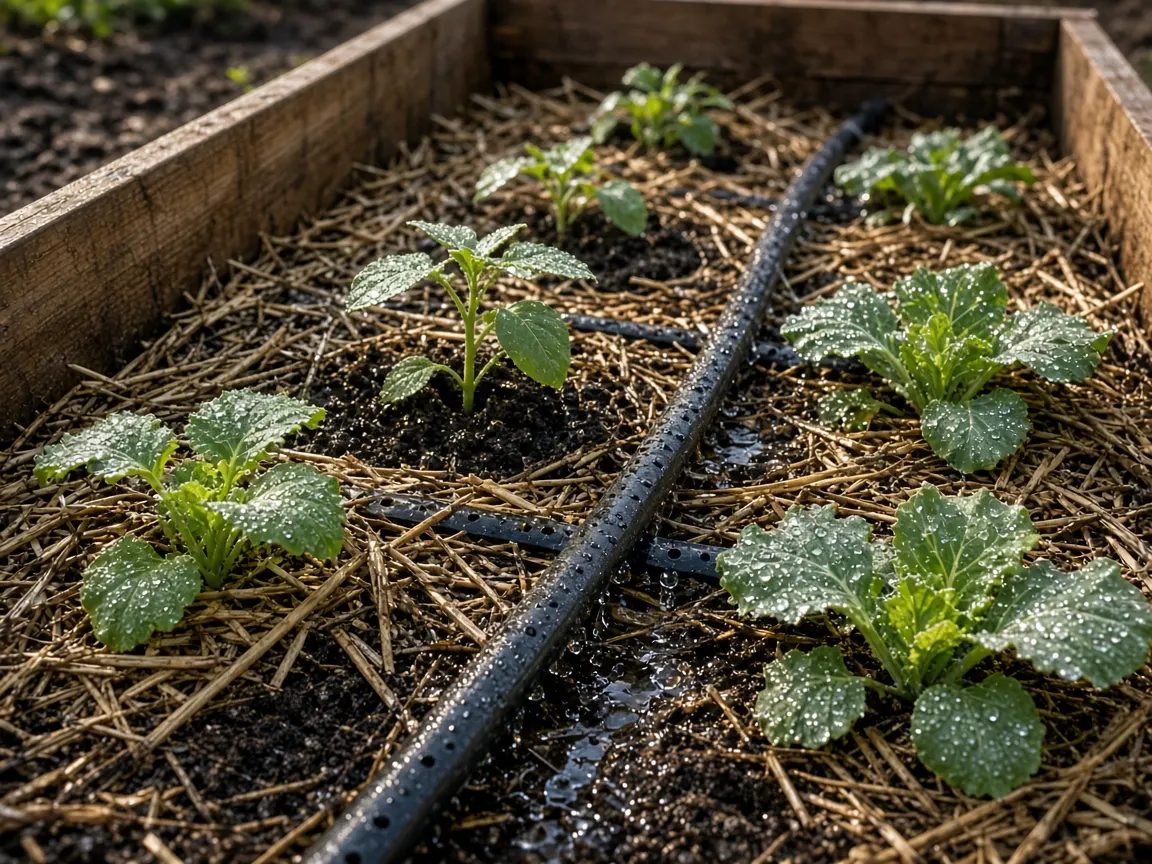
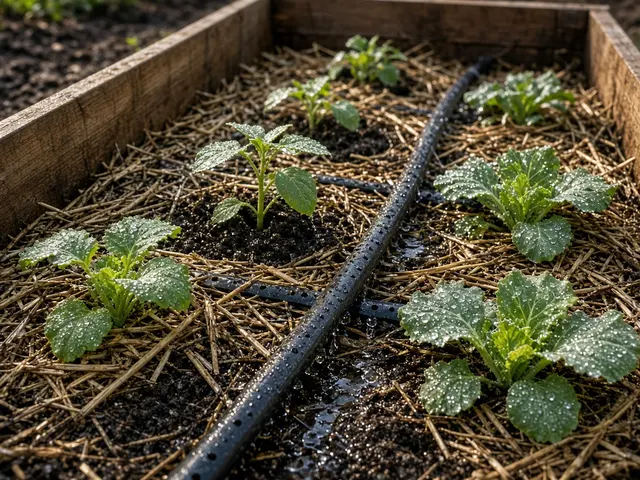
Mulch is any material spread over the soil surface. In a vegetable garden, a good organic mulch reduces evaporation, suppresses weeds, keeps soil temperatures steadier and slowly adds organic matter. It is one of the easiest ways to make a raised bed more forgiving.
Key takeaways
- Straw, shredded leaves, dried grass clippings and compost are common vegetable garden mulches.
- Apply organic mulch after the soil warms in spring; mulching cold soil can slow warm-season crops.
- Keep mulch a little away from plant stems.
- Avoid clippings or straw from fields treated with herbicides that persist in plant material.
Benefits of mulch
- Moisture: Colorado State University Extension notes mulch can substantially reduce irrigation needs by limiting evaporation.
- Weeds: a thick enough layer blocks light to weed seeds.
- Temperature: organic mulches keep soil cooler in summer heat.
- Cleaner produce: Rutgers Cooperative Extension notes mulch reduces soil splashing onto leaves and fruit, which can reduce some disease problems.
- Soil: organic mulches add organic matter as they break down.
Choosing a mulch
Straw
Weed-free (seed-free) straw is a classic vegetable mulch. Do not confuse it with hay, which usually contains seeds. Ask the supplier whether the field was treated with a persistent herbicide.
Shredded leaves
Free in fall in many areas. Shred them first with a mower so they do not mat into a water-shedding layer.
Grass clippings
Colorado State University Extension recommends applying fresh clippings in thin layers, about 1/4 inch, letting each dry before adding more, and not using clippings from lawns recently treated with herbicides.
Compost
A 1- to 2-inch layer of compost acts as a light mulch and feeds the soil, although it suppresses weeds less than coarse mulches.
Wood chips and bark
Better suited to paths between raised beds than inside the growing area, where they can get in the way of sowing. Colorado State University Extension suggests 3 to 4 inches of chips on paths.
Plastic and fabric
Black plastic warms soil and is sometimes used for heat-loving crops such as melons. It must be removed at season's end and requires drip irrigation underneath. Clear plastic warms soil more but lets weeds grow, so Rutgers notes it is not typically recommended for home gardens.
How deep and when
Recommended depths vary with material. Rutgers suggests natural mulches should be about 3 inches deep to be effective, UF/IFAS suggests 2 to 3 inches, and very small seedlings need a thinner layer of an inch or less until they grow. Fluffy straw can go on thicker because it settles.
Timing matters. Natural mulches keep soil cool, so apply them to warm-season crops such as tomatoes, peppers and squash after the soil has warmed in late spring. Weed the bed and water thoroughly before mulching, because mulch also slows rain from reaching dry soil.
Common mistakes
- Piling mulch against stems, which can encourage rot.
- Using hay full of seeds.
- Using fresh grass in thick layers, which mats and smells.
- Using fine sawdust, which can form a crust and tie up nitrogen.
- Mulching cold, wet soil early in spring.
At the end of the season
Organic mulches can be left on the bed to break down over winter or worked lightly into the soil. Remove mulch from around plants that had disease problems. Slugs and voles can shelter under thick mulch; see raised bed pest prevention.
Pair mulch with good irrigation; see watering raised beds properly.
Sources and further reading
- Mulches for Vegetable Gardens (FS058) - Rutgers Cooperative Extension
- Mulches for the Vegetable Garden - Colorado State University Extension
- Mulching Your Vegetable Garden - UF/IFAS Gardening Solutions
Gardening conditions vary by location. For recommendations specific to your area, contact your state's land-grant university Cooperative Extension office. Read our editorial policy.