Watering Raised Garden Beds Properly
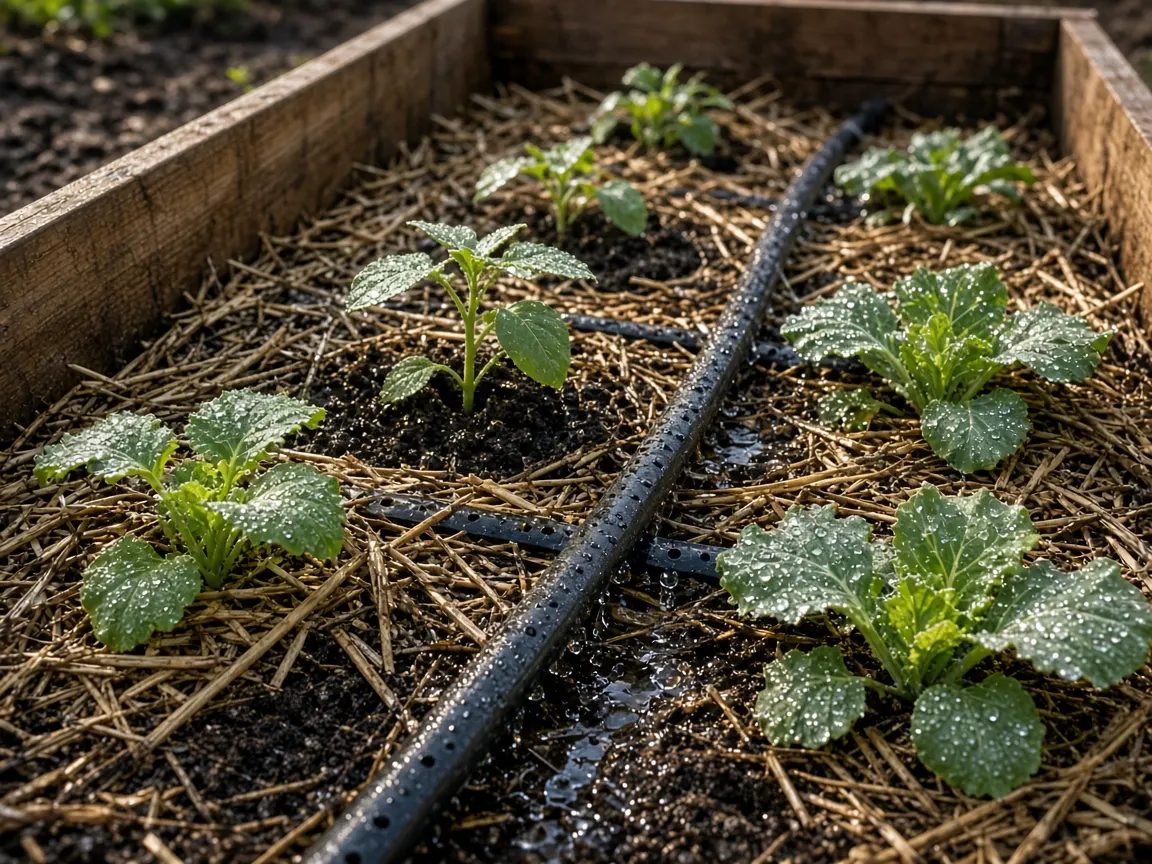
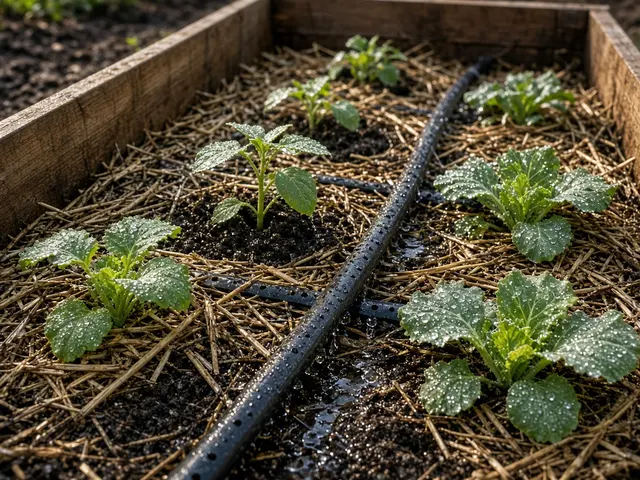
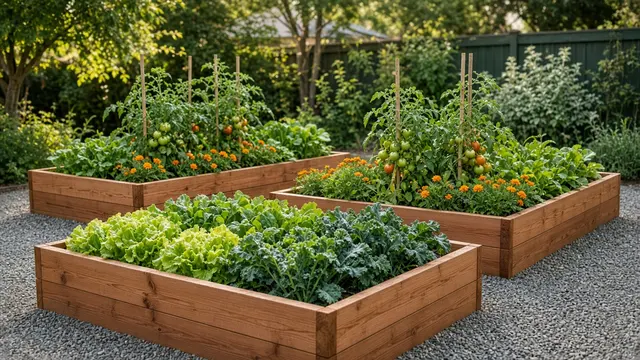
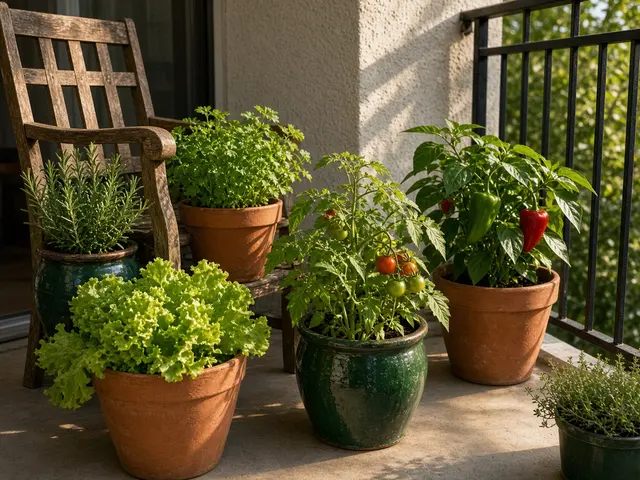
Raised beds drain well, which is one of their advantages, but it also means they dry out faster than ground-level soil, especially in hot, sunny or windy weather. Consistent, deep watering is one of the most important things you can do for a raised bed garden.
Key takeaways
- A common Extension rule of thumb is about 1 inch of water per week for vegetables, from rain plus irrigation, with more needed in heat.
- Check moisture a few inches down rather than watering on a fixed schedule.
- Water deeply and less often to encourage deeper roots.
- Drip lines or soaker hoses under mulch put water at the roots and reduce wet leaves.
How much water is "1 inch"?
One inch of water over one square foot is about 0.62 gallons. For a 4 by 8 foot bed (32 square feet), 1 inch is roughly 20 gallons. That is a useful reference, not a fixed target. Sandy mixes, hot weather, wind and large fruiting plants raise water needs; cool, cloudy weather lowers them.
A simple rain gauge in the garden tells you how much rain actually fell, which is often different from the forecast.
How to check soil moisture
Push a finger or a trowel 2 to 3 inches into the soil. If it is dry at that depth, it is time to water. If it is still moist, wait. Iowa State University Extension recommends checking soil moisture rather than relying on a schedule. After watering, dig a small hole to see how deep the water went; the aim is moisture down through the root zone.
When to water
Morning is usually best: less water is lost to evaporation, and leaves dry quickly, which helps limit some leaf diseases. Evening watering works if foliage stays dry. In heat waves, raised beds and containers may need water daily.
Watering methods
Drip irrigation
Drip tubing with emitters delivers water slowly at the soil surface. University of Georgia Extension's guide to drip irrigation in the home vegetable garden describes its efficiency compared with overhead watering. A simple timer at the spigot makes watering consistent. Many hardware stores sell drip kits sized for raised beds.
Soaker hoses
Porous soaker hoses seep water along their length. Snake one or two through the bed and cover them with mulch. They are inexpensive but can water unevenly on long runs.
Hand watering
A watering wand with a gentle shower head works well for small beds and seedlings. Aim at the soil, not the leaves, and water long enough to soak in, not just wet the surface.
Sprinklers
Overhead sprinklers waste more water to evaporation and wind and keep leaves wet. They are the least efficient choice for raised beds.
Signs of over- and under-watering
- Too little: wilting in the morning (afternoon wilting in heat can be normal), dry crumbly soil, tomatoes with blossom end rot, bitter lettuce.
- Too much: yellowing lower leaves, soggy soil that smells sour, slow growth, root rot.
Make water last longer
- Mulch 2 to 3 inches of straw or shredded leaves once soil warms; see using mulch.
- Add compost annually to improve water holding; see compost for raised beds.
- Group crops with similar water needs.
- Choose a site where you can water easily; see choosing a location.
Water restrictions
Many communities, particularly in the West and Southwest, have outdoor watering rules. Check your local water utility. Drip irrigation is often exempt from or treated differently under some restrictions, but rules vary.
Sources and further reading
- Watering the Home Vegetable Garden - Iowa State University Extension
- Irrigating the Vegetable Garden - Colorado State University Extension
- Drip Irrigation in the Home Vegetable Garden (C1095) - University of Georgia Extension
Gardening conditions vary by location. For recommendations specific to your area, contact your state's land-grant university Cooperative Extension office. Read our editorial policy.