Winter Garden Planning for Different US Climate Regions
"Winter gardening" means very different things across the United States. In Minnesota it may mean planning on paper and keeping a pot of herbs on the windowsill; in Phoenix or Houston it may be one of the most productive seasons of the year. This guide describes what is realistic in broad climate types and how to find dates for your exact location. It reflects a review in November 2026 and is intended to stay useful season after season.
A note on regions
The regions below are broad generalizations. Elevation, distance from the coast and local microclimates can make two nearby towns behave very differently. Always confirm timing with your state's land-grant university Cooperative Extension service.
Cold-winter regions
Examples: northern Plains, Upper Midwest, northern New England, high mountain areas, much of Alaska.
Ground and raised bed soil usually freeze, and outdoor growth essentially stops for months. Realistic winter activities include:
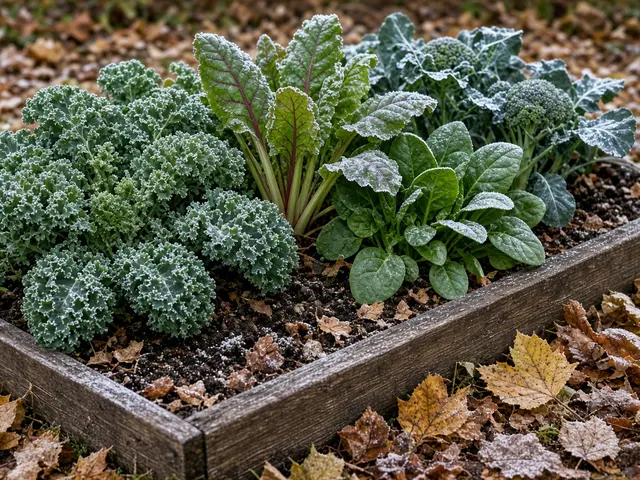
- Harvesting late fall crops such as kale, carrots and leeks into early winter, often under mulch or row cover.
- Covering beds with a layer of shredded leaves or compost to protect soil.
- Growing herbs and microgreens indoors (see growing herbs indoors).
- Planning next year's beds and ordering seed; starting onions and slow crops indoors in late winter.
Moderate-winter regions
Examples: much of the Mid-Atlantic, lower Midwest, central South, Pacific Northwest lowlands.
Winters bring regular frosts and occasional hard freezes, with mild spells between. Hardy crops such as kale, collards, spinach and some lettuces can often survive much of the winter with protection:
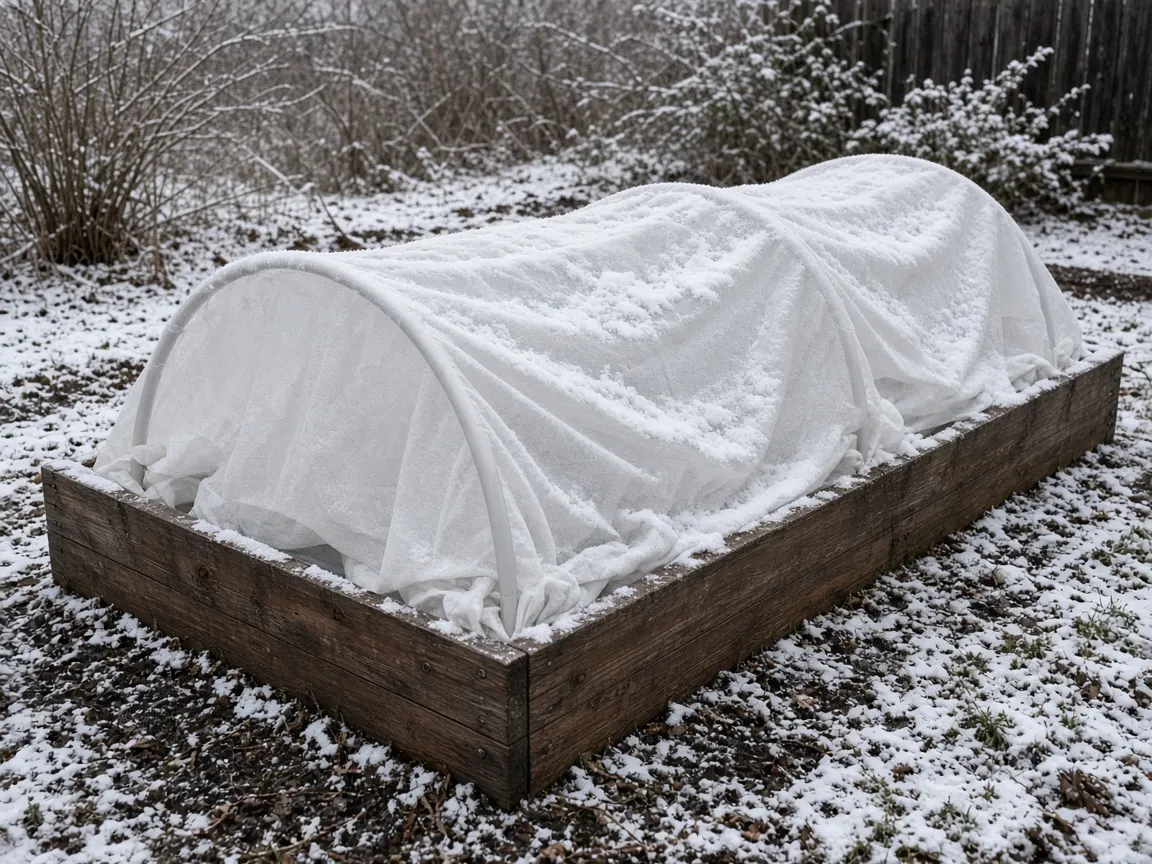
- Floating row cover over hoops raises the temperature under it slightly and reduces wind damage.
- Cold frames or low tunnels offer more protection than a single row cover layer.
- Growth slows sharply when days are short, so plants should be close to full size by late fall; winter is more about holding and harvesting than growing.
In the Pacific Northwest, wet soil can be as much a problem as cold, which is one reason raised beds are popular there.
Mild-winter and warm regions
Examples: Gulf Coast, Florida, southern Arizona, southern California, south Texas, Hawaii.
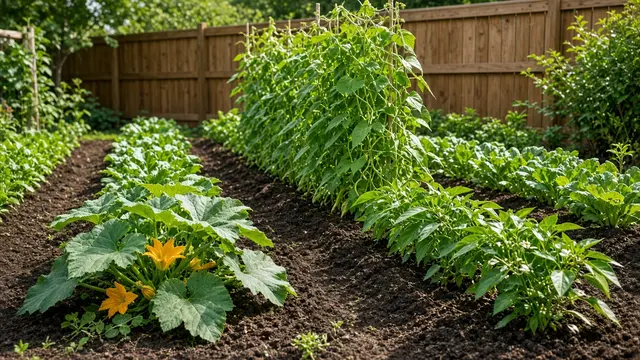
Here the cool months are prime vegetable season. Lettuce, spinach, broccoli, cabbage, carrots, beets, peas and many herbs grow well from fall through early spring. Summer heat, not winter cold, is often the limiting season. Occasional freezes still occur in many of these areas, so keep row cover on hand.
Tools for deciding what to plant
- Frost dates: the most useful numbers for annual vegetables. Your Extension office or NOAA climate data can help you find averages for your area.
- USDA hardiness zones: describe average annual extreme minimum winter temperature. They help judge which perennials survive winter but are not planting calendars. See USDA hardiness zones explained.
- State planting calendars: many Extension programs publish vegetable planting calendars for their state or regions within it.
Protecting raised beds in winter
- Mulch empty beds or plant a cover crop if your Extension service recommends one for your area.
- Raised bed soil freezes faster than ground soil because it is exposed on the sides; that matters for overwintering crops and perennials.
- Remove diseased plant debris in fall to reduce problems next season.
- Check frames for rot or bowing and repair before spring.
A winter planning checklist
- Review last year's notes: what grew well, what did not.
- Look up your frost dates and build a schedule (see regional seed-starting calendars).
- Schedule a soil test before spring.
- Order seed early for varieties suited to your region.
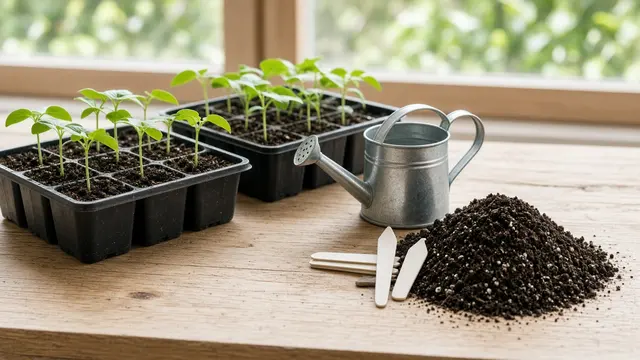
- Set up an indoor seed-starting area if you plan to grow transplants.
Sources and further reading
- Planting for Fall and Winter Produce - Nebraska Extension in Lancaster County
- Fall Planting of Vegetables - Iowa State University Extension
- U.S. Climate Normals - NOAA National Centers for Environmental Information
- USDA Plant Hardiness Zone Map - USDA Agricultural Research Service
- Find Cooperative Extension in Your State - Extension Foundation
Gardening conditions vary by location. For recommendations specific to your area, contact your state's land-grant university Cooperative Extension office. Read our editorial policy.